
I come from a family of working-class Midwesterners from German farming backgrounds. They know – and value – hard work. Calling someone “lazy” is almost the worst thing you can say. In fact, it feels so shameful that I don’t think I’ve ever said it to someone’s face (although I’ve thought it a few times.)
Usually, lazy is defined by someone not doing what they should or said they would do. (Which also combines the shame with not keeping your word or shirking your duty.) The problem with this kind of thinking is that not everyone prioritizes the same things you do. For a while, I had a family member whose house was always a disaster. Dishes in the sink, dust and dirt everywhere, and toys strewn all over the place. I mentally labeled her lazy, but the truth is that she’d done a cost/benefit analysis, and cleaning was just not as important to her as what she was already doing.
It’s the well-known midwestern paradox: if you’re 10 minutes early, you’re on time. If you’re right on time, you’re late. If you’re late, don’t bother. If you’re giving 100%, you’re doing your job. If you’re not willing to go “above and beyond,” whatever that means, you risk being labeled as lazy, even though you’re meeting expectations.
That’s why an article for Big Think (bigthink.com) about “hidden laziness” caught my eye. Author Jonny Thomson spoke to Tulku Lobsang Rinpoche, a Tibetan Buddhist Master, about how laziness is defined and what it means about a person’s character. Thomson starts out by saying “It’s almost impossible to know if someone is actually lazy or not. We often call someone lazy because they fail to do some visible task that we feel they ought to do.” Lazy covers people who don’t help with household tasks, start an exercise program, or go back to school to finish their degree.
According to Rinpoche, there are three kinds of laziness:
“First, basic laziness. This is the physical kind of torpor where you can’t be bothered or motivated to do something. You’re on the sofa, the remote is too far away, and so you end up watching whatever is on TV.
Second, advanced laziness. This is where you continually postpone something that you could or should be doing now. “Oh, I’ll do the dishes later,” “I’ll tidy the garage next weekend,” or “I’ll go to the gym in January.”
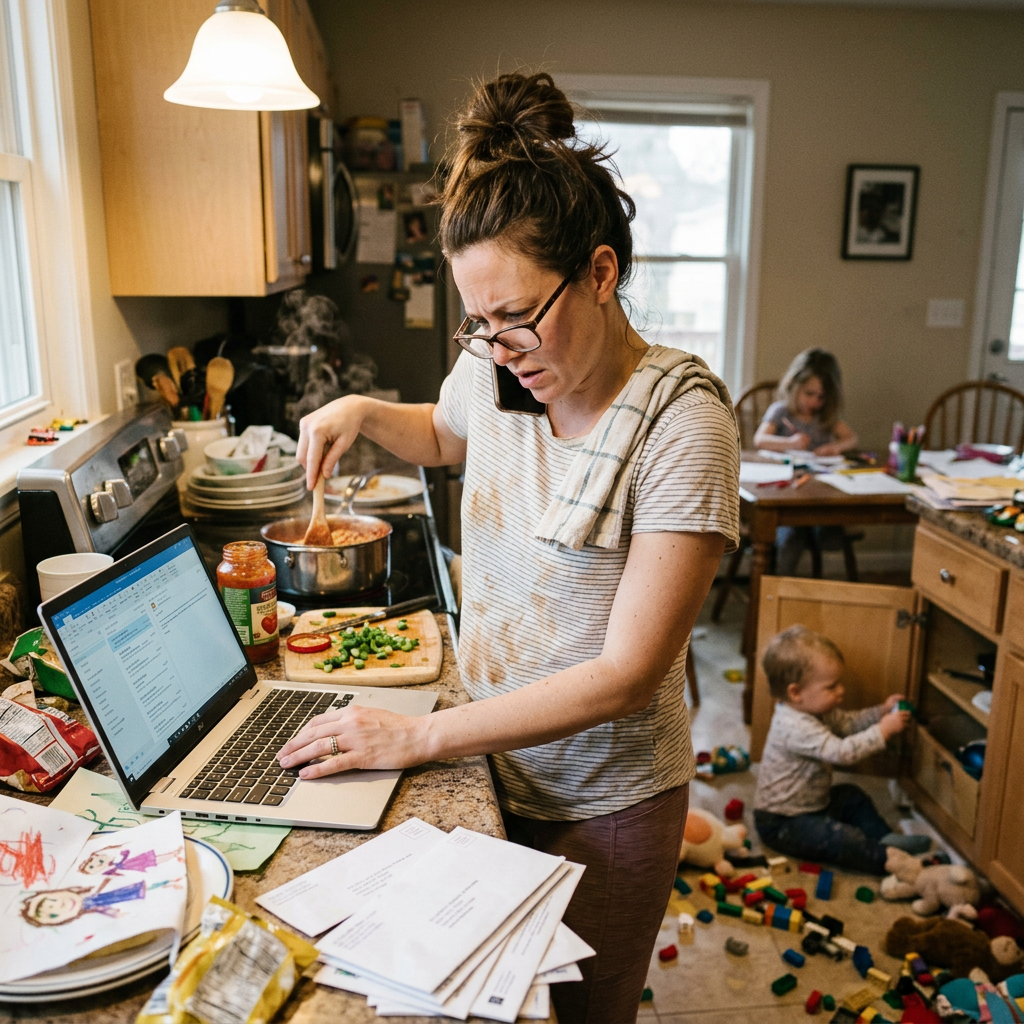
Third, hidden laziness. This is when our lives are so busy that we have no room for the tasks that we want to do or that are good for us. It’s when your day is consumed with work, chores, and domestic life, leaving you only one 30-minute window where your brain is too frazzled to do anything more than scroll on your phone.”
Ah… there it is. We humans have invented countless ways to be busy, both in real life and online. I’ve known people with children whose descriptions of their weekend left me exhausted just from listening. They’re driving to sporting events (and we’re talking hours, not just across town.) They’re running the kids from activity to activity until dark, going through drive throughs because there’s no time to cook. On the weekends, they’re cleaning and running all the errands they don’t have time for during the week. There’s a part of me that wants to yell, “Stop. Just stop.”
We love being busy (and complaining about it, too.) Being busy makes us feel important. Being busy makes us feel needed. Being busy allows us to avoid feeling things we’d rather not face.
Rinpoche says, “Maybe we have more wealth than in the past, but nobody has time. It looks like we’re becoming wealthier and wealthier, but there are more and more conditions, more and more needs, and things become more and more expensive. We just don’t have time.
When time is not there, nothing you have has meaning. … It’s not enough just to focus on wealth; you need to focus on time. Yes, you need to create wealth, but you need to create time.”
Time for spiritual growth, reflections, and focusing on the priorities that really matter. Busy-ness is hard to argue with, but it’s a distraction, a way of avoiding the hard work we don’t really want to do. Perpetual motion is not the same as forward progress, but it’s a good excuse for not doing what you might be doing. (Notice I said “might be doing,” not “should be doing.”)
Your busy-ness is also sending a powerful message to your family and colleagues, that as long as you’re doing something, you don’t have to make a case for whether you’re doing the right thing.”
Consider this my invitation to take some time this week to think about what’s most important to you and work on that. A passion project, intellectual or spiritual growth, time with those you love. Take time away from what others expect of you to spend it on what you really want and know is good for you. And let go of the fear of being “lazy.” You get to choose what you call what you need right now.
Discover more from Your Work, Your Way
Subscribe to get the latest posts sent to your email.

